Engineering
Peñasquito
Client: Minera Peñasquito S.A. DE C.V.
Zacatecas, México
1. Project Overview
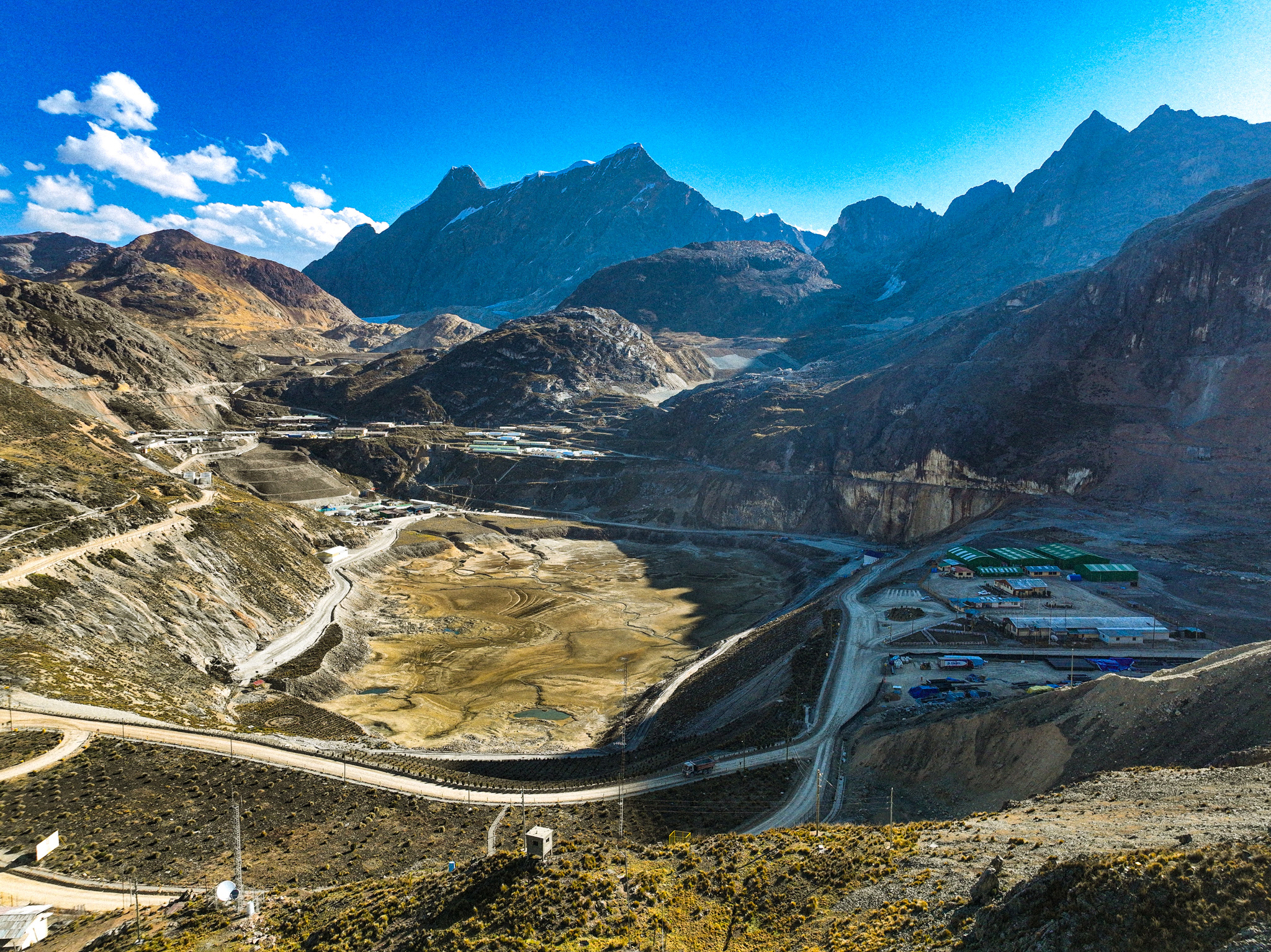
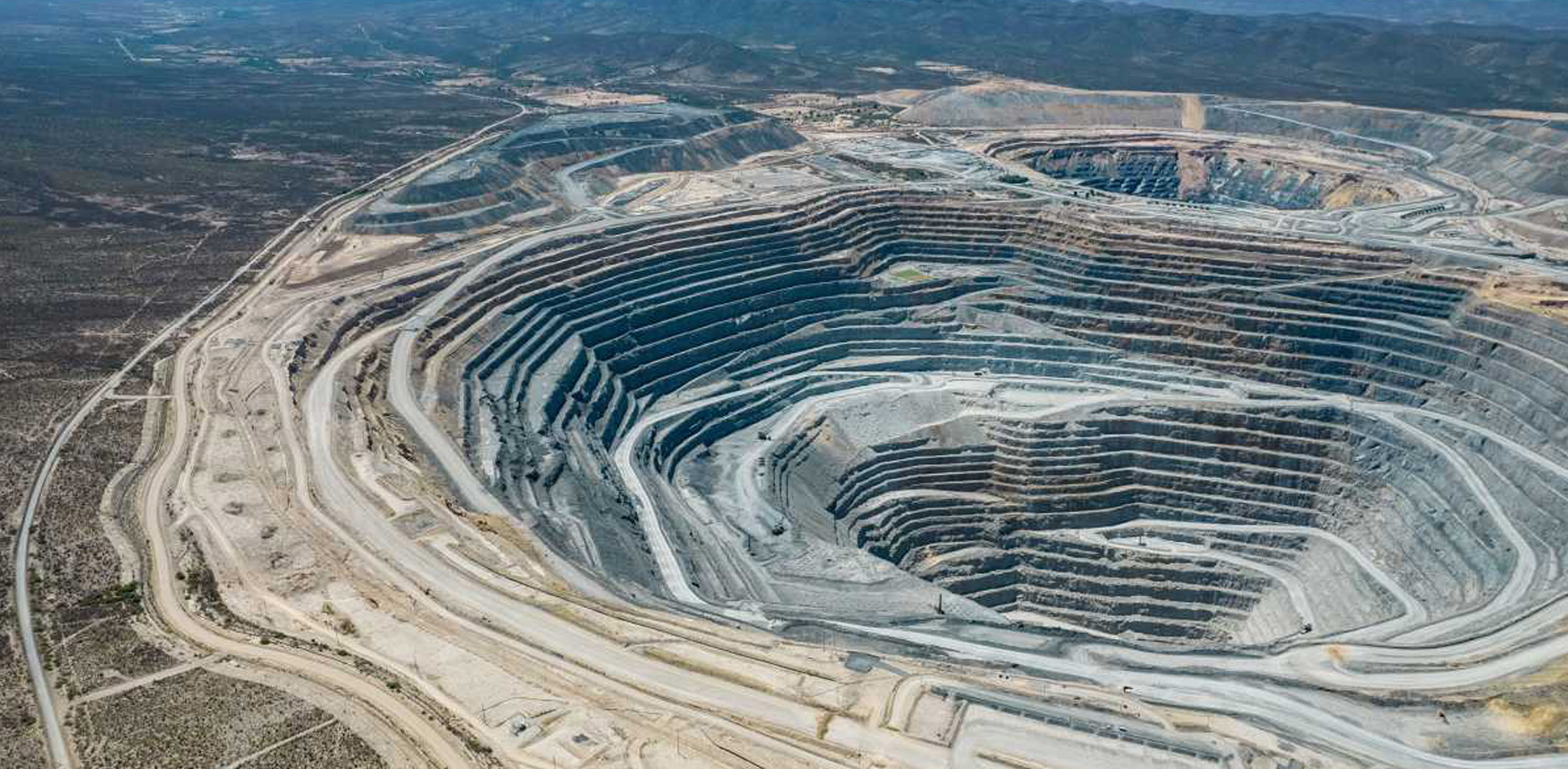
The Peñasquito mining unit, located in the state of Zacatecas, Mexico, is one of the largest open-pit mining operations in Latin America. Owned and operated by Newmont Corporation, the mine produces gold, silver, lead, and zinc and represents a cornerstone of modern Mexican mining.
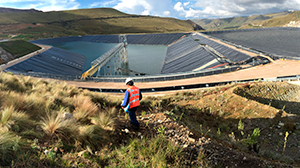
The deposit is situated within the Mazapil mining district, a region recognized for its significant metallic resources and economic importance. Peñasquito features state-of-the-art mining and processing infrastructure, large-capacity tailings storage facilities (TSFs), and advanced water management systems, all developed under strict sustainability and environmental compliance standards.
2. Project Challenges
Project development at Peñasquito involved a series of complex technical and management challenges requiring highly specialized engineering solutions:
-
Design and implementation of integrated seepage and groundwater flow monitoring systems.
-
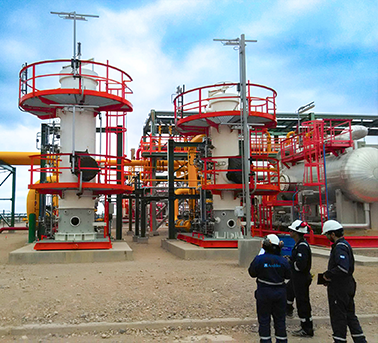
Replacement of large-diameter steel pipelines (36-inch and 42-inch) while maintaining uninterrupted operations.
-
Simultaneous compliance with Mexican regulatory requirements and Newmont corporate standards.
-
Optimization of contingency ponds designed to manage flows of up to 5,000 tons per hour (TPH) for a 60-minute event.
-
Technical and economic validation of closure strategies and demolition cost estimates.
-
Coordination of critical water management and tailings infrastructure.
-
Implementation of solutions aligned with operational safety and environmental sustainability objectives.
3. Our Approach and Solutions
To address these challenges, a multidisciplinary engineering approach was implemented, prioritizing operational reliability, technical efficiency, and long-term sustainability.
Tools, Methods, and Innovations
-
Development of integrated seepage monitoring and collection systems.
-
Detailed engineering for the replacement of 36-inch and 42-inch diameter steel pipelines.
-
Design of seepage collector trenches incorporating HDPE drainage systems, granular filters, and nonwoven geotextiles.
-
Conceptual engineering for contingency ponds serving the north and south hydrocyclone towers.
-
Feasibility studies for optimization of hydraulic monitoring systems.
-
Technical validation of demolition cost assessments in accordance with regulatory requirements.
Sustainable Engineering Practices
-
Dual compliance with national regulations and international corporate standards.
-
Optimization of water management efficiency within contingency systems.
-
Reduction of environmental impact through optimized hydraulic design solutions.
-
Application of sustainable engineering principles in infrastructure upgrades and operational systems.
4. Results Achieved
The implementation of this approach delivered measurable improvements in the management of critical infrastructure.
Technical Deliverables
-
Feasibility engineering for the seepage monitoring system (USD 158,078).
-
Detailed engineering for 36-inch pipeline replacement (USD 113,868) and 42-inch pipeline replacement (USD 76,152).
-
Design of seepage collector trench discharging to the north and south ponds (USD 72,879).
-
Engineering support for replacement of 4,500 meters of 36-inch diameter steel pipeline (USD 54,896).
-
Conceptual engineering for contingency ponds with a 5,000 TPH capacity (USD 54,732).
-
Technical validation of demolition cost estimates in compliance with regulatory standards.
Project Impact
-
Strengthened hydraulic integrity and operational safety of critical systems.
-
Implementation of high-performance, technically robust, and sustainable engineering solutions.
-
Full alignment with international corporate governance and regulatory frameworks.
-
Strategic technical support for closure planning and long-term operational sustainability.