Environmental Services
Fortín de Piedra
Client: Tecpetrol S.A.
Neuquén, Argentina
1. Project Overview
The project was executed within the Fortín de Piedra Hydrocarbon Concession Area, located in Neuquén Province, Argentina. The nearest town is Añelo, approximately 19 km northeast of the concession area, while the city of Neuquén lies roughly 90 km to the southeast.
Fortín de Piedra is situated within one of the country’s most productive hydrocarbon basins, where operational intensity and environmental stewardship must coexist under strict regulatory oversight.
2. Project Challenges
Project development involved significant technical, logistical, and environmental challenges within a high-productivity operational setting:
-
Precise hydrogeological characterization in an arid and geologically heterogeneous environment.
-
Design of a representative groundwater monitoring network without interfering with active hydrocarbon operations.
-
Integration of environmental protection criteria with operational infrastructure constraints.
-
Logistical and access limitations in critical production zones.
-
Alignment of installation schedules with ongoing production activities.
-
Ensuring long-term data traceability and reliability within a continuous monitoring framework.
3. Our Approach and Solutions
To address these challenges, Anddes implemented a comprehensive technical strategy grounded in environmental site assessment, applied geophysics, and hydrogeological modeling tailored to local site conditions.
Tools, Methods, and Technical Innovations
-
Execution of Phase I and Phase II Environmental Site Assessments (ESA) to establish a robust environmental baseline.
-
Application of Vertical Electrical Soundings (VES) to characterize subsurface stratigraphy and hydrogeological conditions.
-
Geophysical modeling to identify areas with elevated infiltration potential or groundwater vulnerability.
-
Engineering design of a groundwater monitoring network adapted to local hydrogeological dynamics.
-
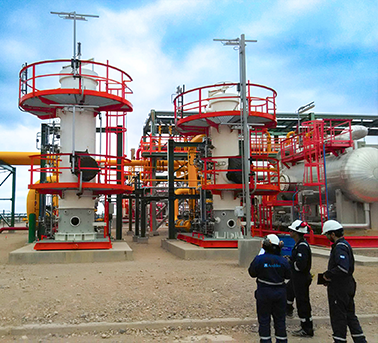
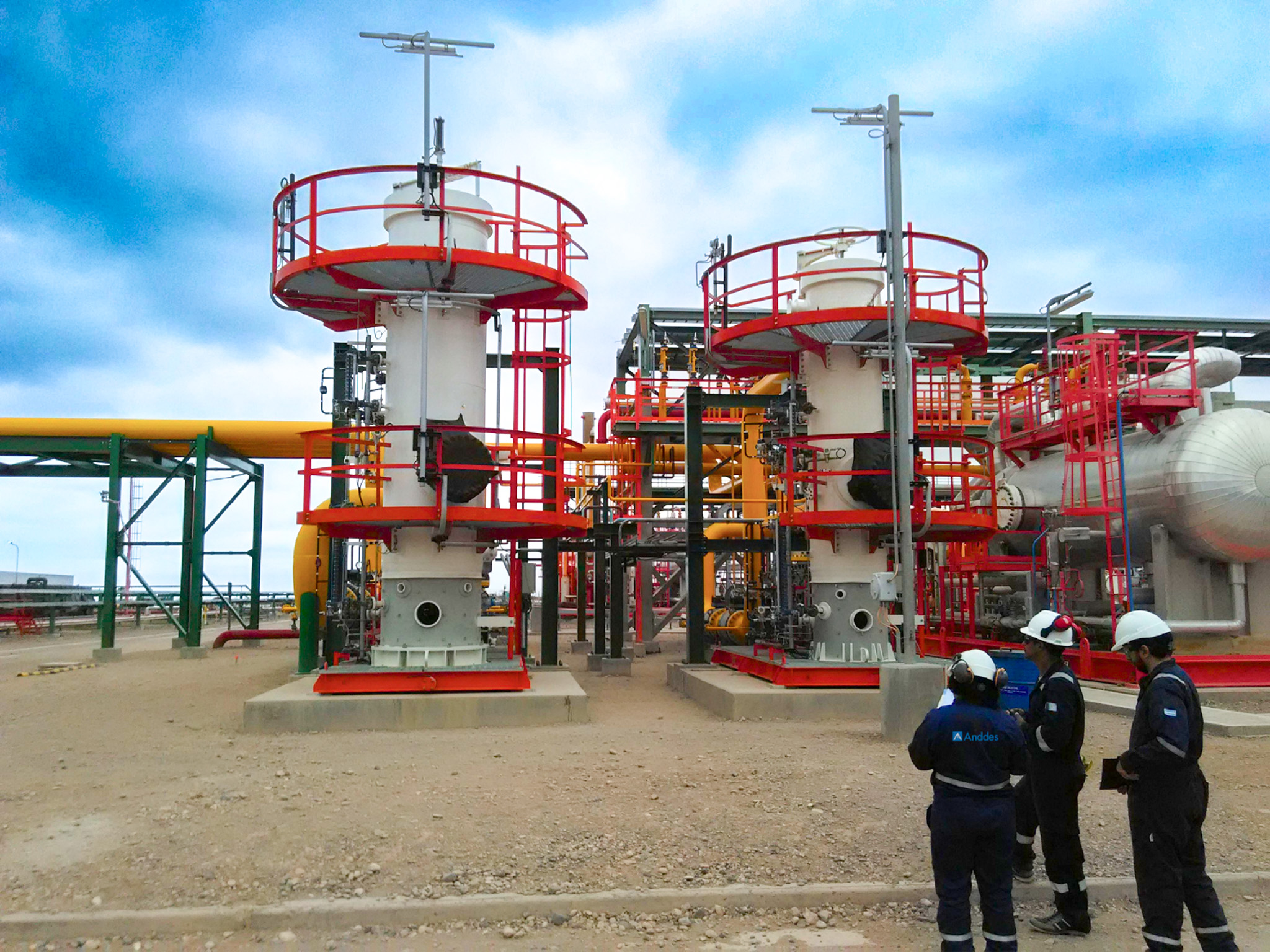
Strategic placement of monitoring wells at critical operational facilities, including:
-
Tank batteries
-
Processing plants
-
Hazardous waste storage areas
-
-
Development of standardized installation, calibration, and periodic monitoring protocols to ensure long-term system performance.
Sustainability and Environmental Stewardship
-
Use of non-invasive geophysical methods to minimize direct subsurface disturbance.
-
Optimization of resources through data-driven planning and risk-based prioritization.
-
Selection of monitoring locations with the highest hydrogeological representativeness.
-
Close coordination with operational teams to minimize interference with production activities.
4. Results Achieved
The implementation of the proposed design resulted in a robust and operationally compatible groundwater monitoring network, fully aligned with environmental standards applicable to the hydrocarbon sector.
Key Achievements
-
Design and deployment of a monitoring well network with comprehensive and representative site coverage.
-
Early identification of zones with potential phreatic impact and elevated groundwater vulnerability.
-
Integration of the monitoring system into the concession’s environmental management framework.
-
Establishment of a solid technical baseline for long-term hydrogeological assessment.
-
Strengthened environmental data traceability, consistency, and reliability.
Project Contribution
-
Substantial enhancement of subsurface environmental risk management.
-
Implementation of preventive groundwater impact monitoring aligned with regulatory requirements.
-
Technical support for informed operational and environmental decision-making.
-
Alignment of monitoring systems with regulatory compliance and sustainability objectives.