Engineering
Centinela Mining Operation
Client: Minera Centinela
Antofagasta, Chile
1. Project Overview
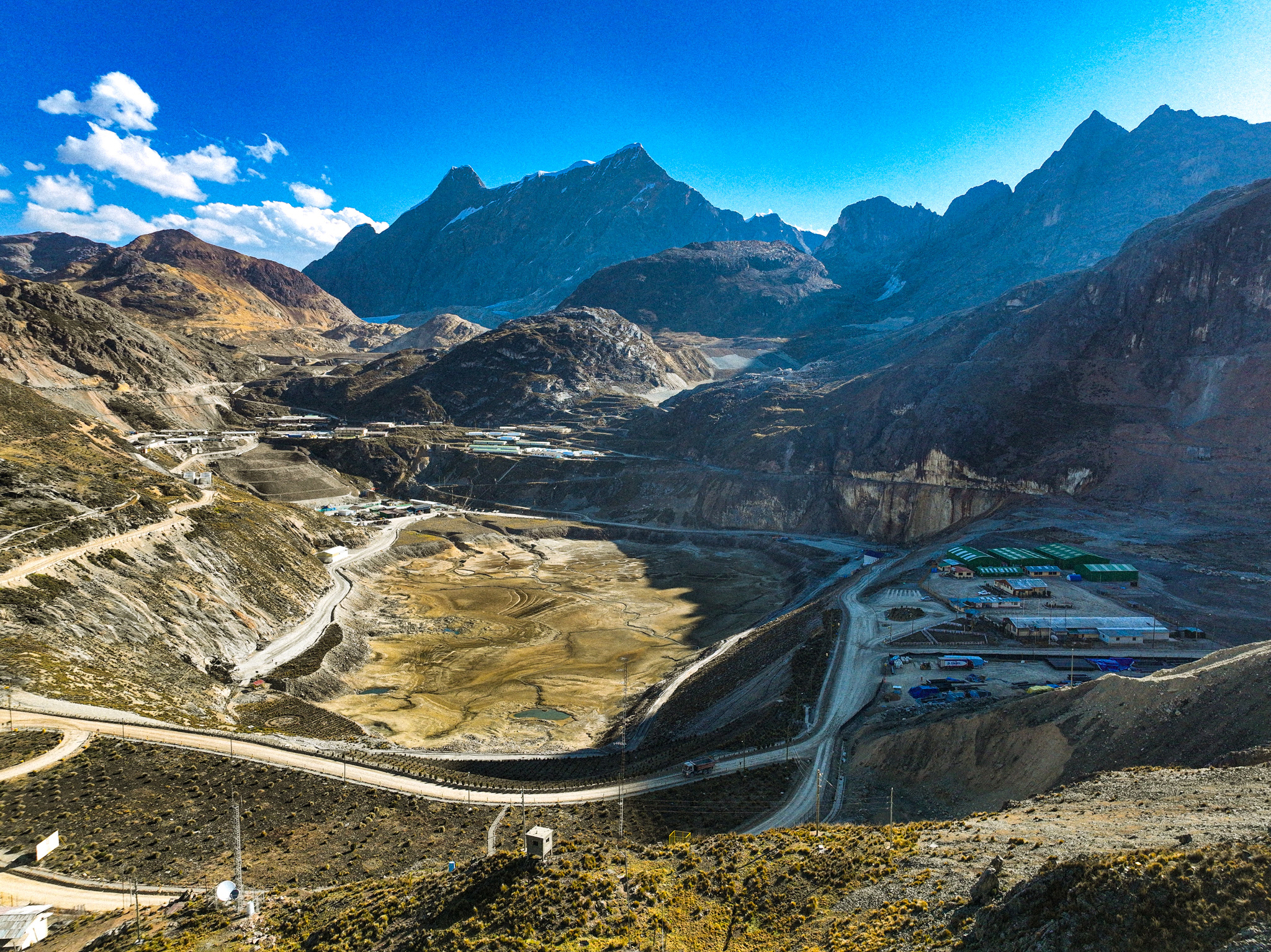
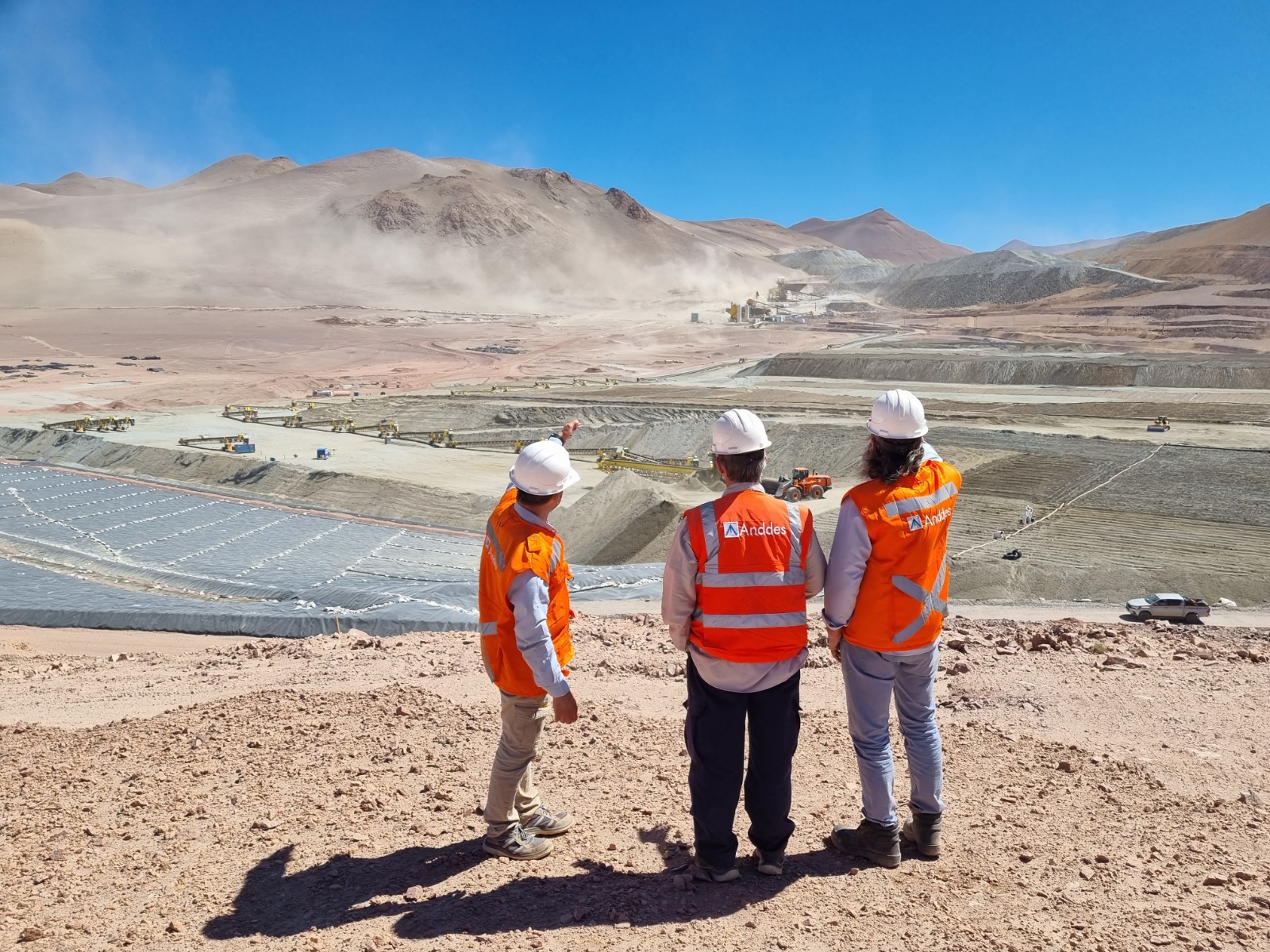
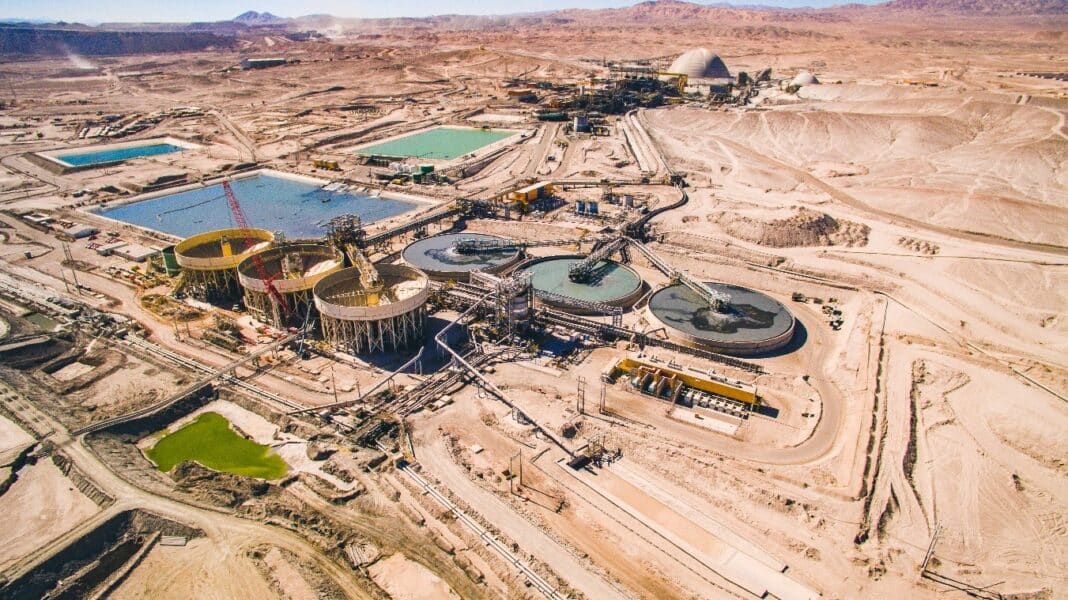
The project was executed for Minera Centinela, located in the Antofagasta Region, Chile—one of the flagship operations of Antofagasta Minerals, a subsidiary of Antofagasta plc.
The operation is situated in the Centinela mining district, a strategic copper-producing area in northern Chile characterized by the extreme climatic and geotechnical conditions of the Atacama Desert.
2. Project Challenges
Project execution required addressing several critical operational and technical challenges:
-
Bridging the gap between design parameters and actual operational performance.
-
Controlling key deposition variables, including dry density, moisture content, and solids percentage.
-
Managing the water balance to maintain safe phreatic levels and prevent saturation conditions.
-
High-precision geometric control of slopes, freeboard, and lift thickness to mitigate overtopping, erosion, or localized instability risks.
-
Generating robust, traceable technical documentation for audits and regulatory oversight bodies.
3. Our Approach and Solutions
A multidisciplinary framework was implemented, integrating geotechnical control, hydraulic monitoring, geometric verification, and structured document management, supported by a proactive Occupational Health and Safety (OHS) program.
Technical Implementation
-
Intensive geotechnical quality control program, with over 1,000 field and laboratory tests conducted.
-
Deployment of an on-site laboratory to accelerate response times and support real-time operational decision-making.
-
Continuous hydraulic monitoring using evaporimeters, vibrating wire and standpipe piezometers, and periodic observation well verification.
-
Scheduled topographic surveys to validate slopes, lift thicknesses, and overall facility geometry.
-
Integration of technical data into a compliance management system to support reporting before E-700, DGA, and other regulatory review entities.
4. Results Achieved
-
Average dry density values exceeding design targets, confirming controlled and stable deposition.
-
Consistent solids content across multiple measurement methodologies, with no significant particle segregation observed.
-
Phreatic levels maintained within safe operational ranges, ensuring long-term TSF stability.
-
Strong regulatory traceability, with no critical observations during audits or technical inspections.
-
Zero-incident service execution, maintaining operational continuity and supporting informed client decision-making.