Engineering
Las Bambas
Client: Minera Las Bambas S.A.
Apurímac, Peru
1. Project Overview
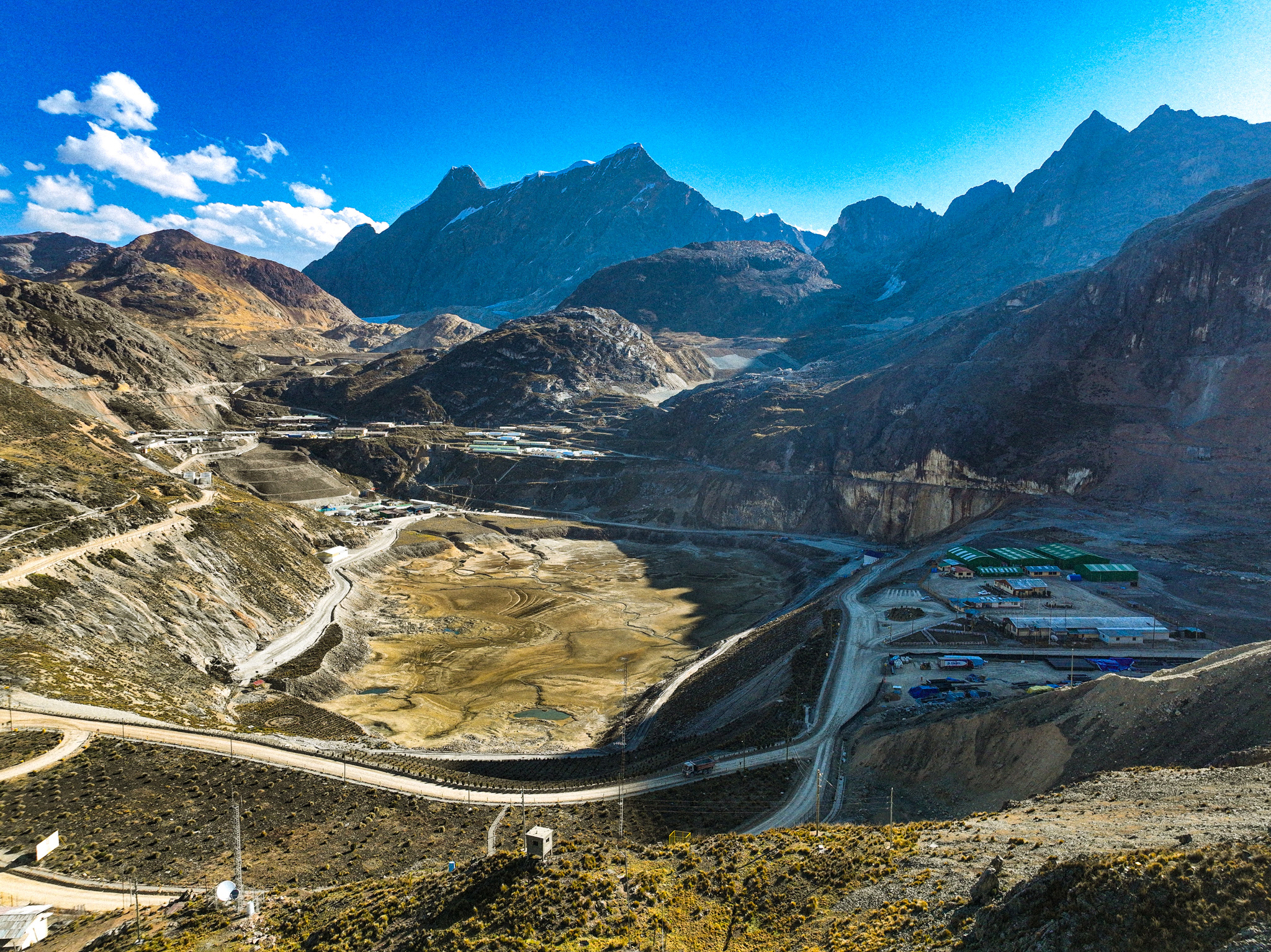
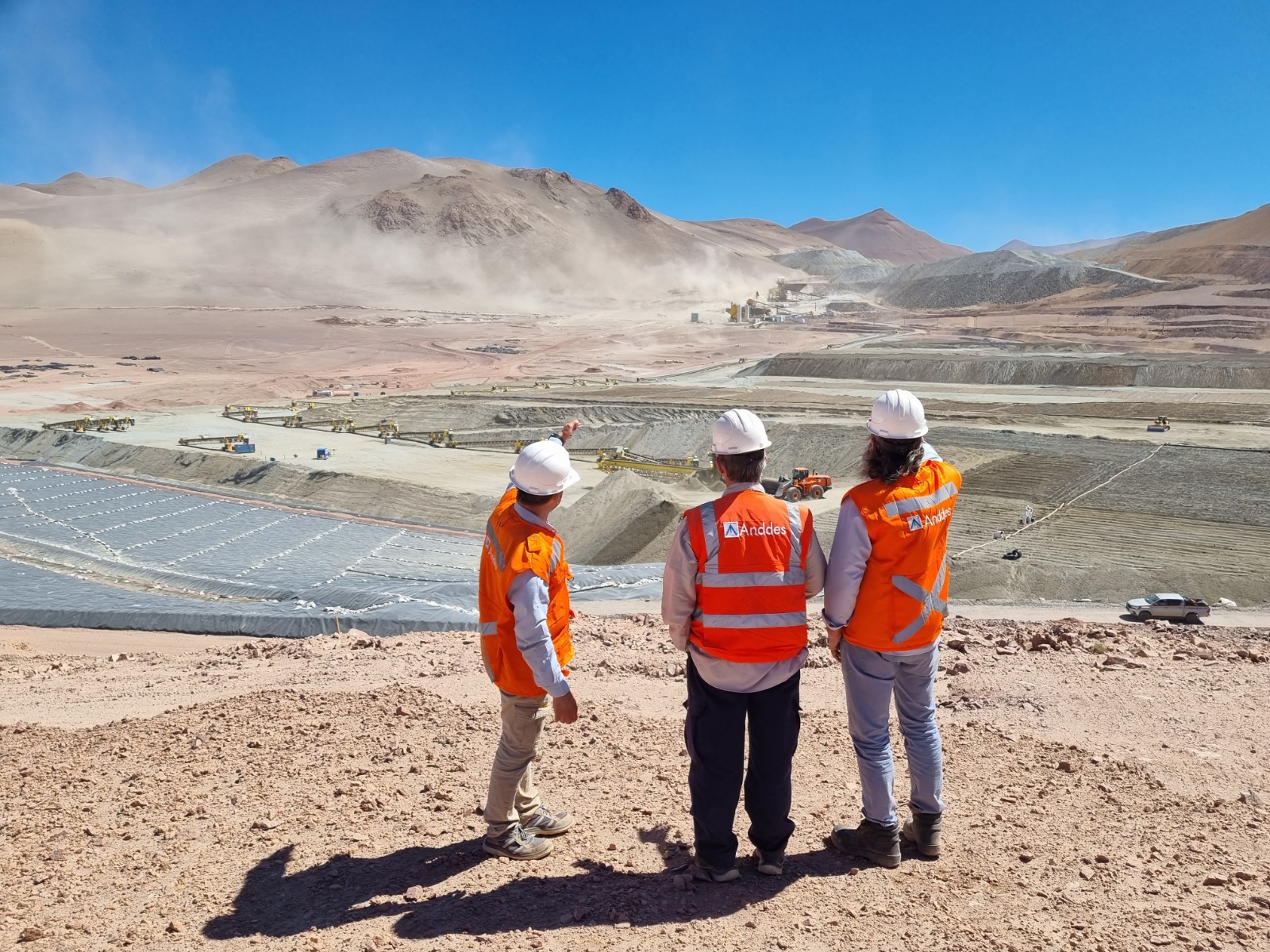
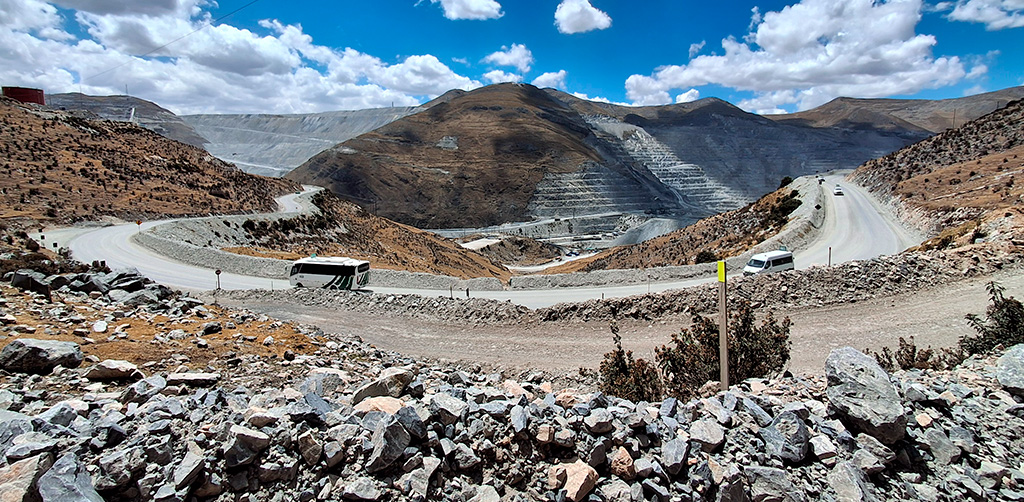
Las Bambas is a large-scale open-pit mining operation located in the districts of Challhuahuacho and Progreso, within the provinces of Cotabambas and Grau, in the Apurímac region of Peru. The operation is situated in a high-altitude mountainous setting, ranging from approximately 3,800 to 4,650 meters above sea level.
Las Bambas primarily produces copper and molybdenum concentrates, with gold and silver recovered as by-products.
2. Project Challenges
The development and operation of Las Bambas presented significant technical and operational challenges, including:
-
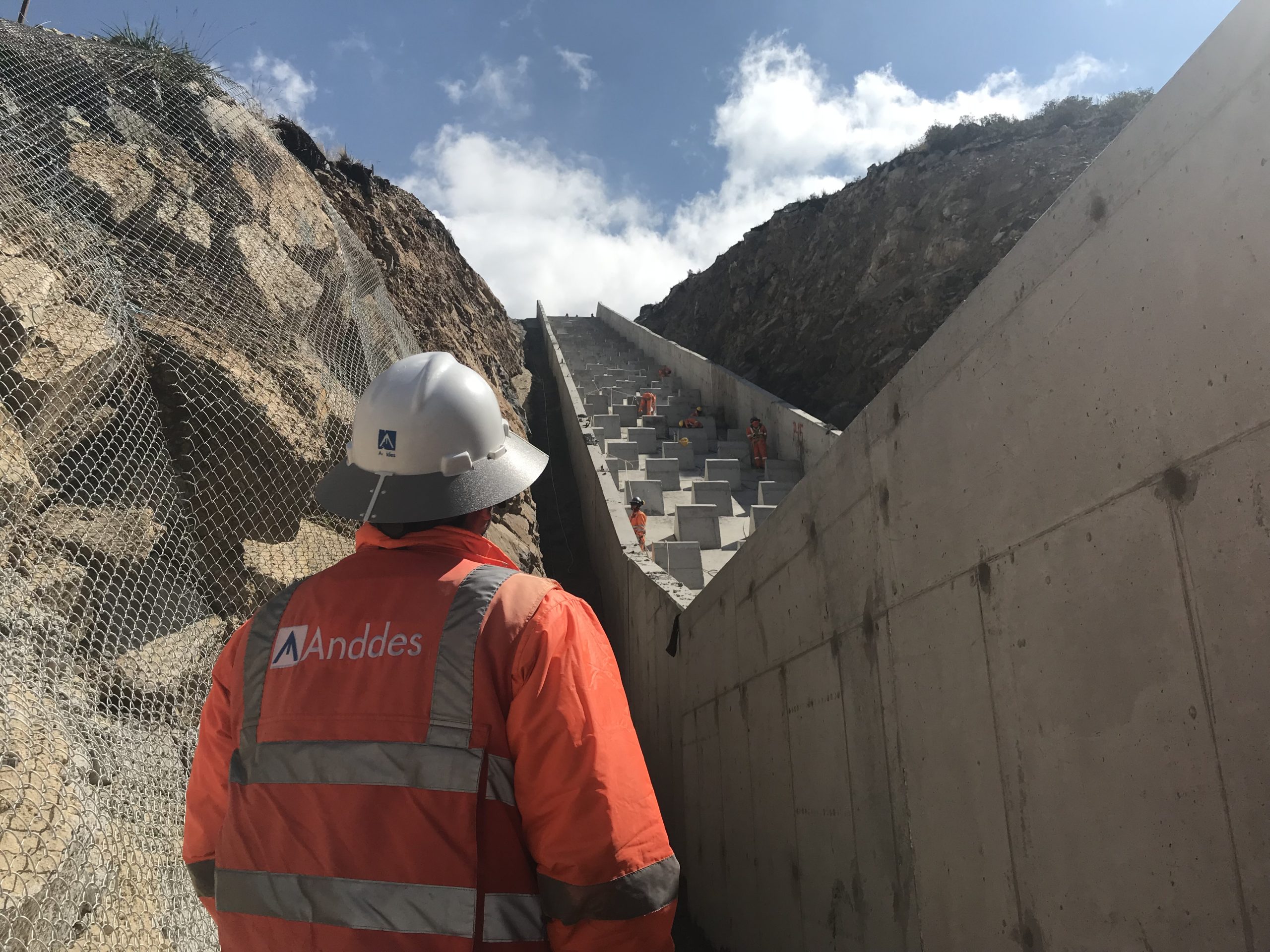
Designing efficient water management systems under high-altitude conditions, including the diversion of the former Ferrobamba River.
-
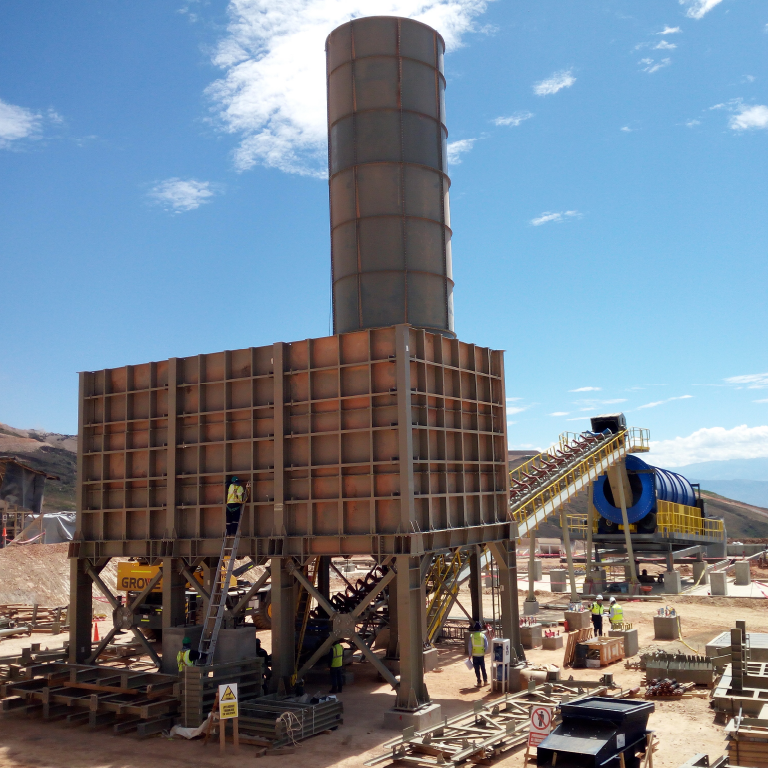
Expanding the concentrator plant capacity from 140 ktpd to 210 ktpd, which required complex multidisciplinary engineering solutions.
-
Developing geotechnical slope designs for the Ferrobamba and Chalcobamba open pits under challenging geological conditions.
-
Updating tailings storage facility (TSF) designs in response to evolving deposition strategies.
-
Designing and constructing multiple Organic Material Deposits (OMDs) in compliance with stability and environmental performance criteria.
-
Engineering haul roads across steep and geologically complex terrain.
-
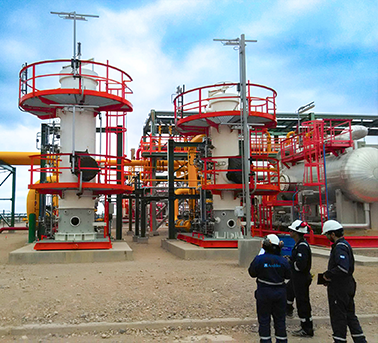
Designing safe storage and dosing systems for chemical reagents such as sodium hydrosulfide (NaSH) and sodium hydroxide (NaOH).
3. Our Approach and Solutions
To address these challenges, Anddes implemented an integrated engineering approach that included:
-
Design of diversion channels, pumping systems, and hydraulic infrastructure to ensure robust water management.
-
Slope stability analyses and development of stabilization measures for open pits and waste rock dumps.
-
Ongoing updates to waste dump designs aligned with operational discharge plans.
-
Preparation of feasibility-level studies for key infrastructure, including the concentrator plant expansion.
-
Execution of geophysical investigations (seismic refraction, MASW, and MAM) and comprehensive laboratory testing programs for proper material characterization.
-
Implementation of Construction Quality Assurance (CQA) programs for earthworks, masonry, and concrete activities.
-
Coordination of technical, regulatory, and environmental requirements, including preparation of Technical Modification Reports (ITMs).
4. Results Achieved
The implementation of these solutions delivered measurable operational and strategic benefits:
-
The concentrator plant expansion significantly increased mineral processing capacity.
-
The engineered water management systems ensured operational continuity while minimizing environmental risk.
-
Geotechnical designs enhanced the stability and long-term performance of pits, dumps, and other critical facilities.
-
Optimized haul road and transport system designs improved operational efficiency.
-
Preparation of key technical documentation, including ITMs, supported the timely approval of expansion permits.
-
Purpose-designed reagent storage and dosing systems enhanced operational safety.
-
The development of Organic Material Deposits (OMDs) supported material preservation for future closure and reclamation activities.